
Dambulla Cave Temple
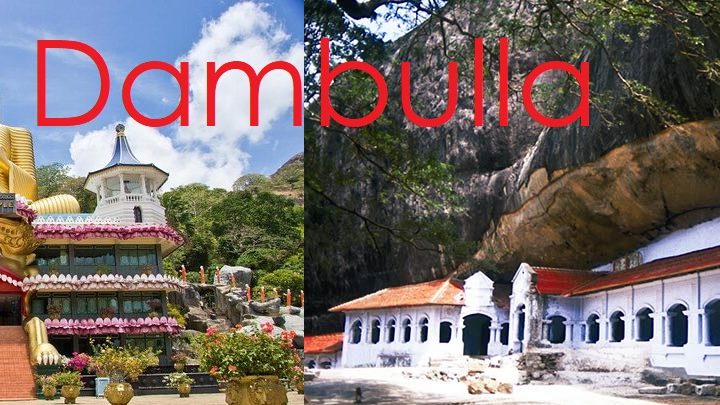
Dambulla Cave Temple Unveiling the Magnificence of Dambulla Cave Temple – Sri Lanka’s Spiritual and Artistic Treasure Nestled amid the emerald landscapes of Sri Lanka, the Dambulla Cave Temple, also known as the Golden Temple of Dambulla, stands as a testament to the island’s rich history, artistry, and spiritual significance. Designated as a UNESCO World Heritage Site, this extraordinary cave temple complex has a history that spans over two millennia. In this comprehensive article, we embark on a profound journey to explore the Dambulla Cave Temple, delving into its origins, historical importance, architectural splendor, spiritual essence, and practical tips for visitors. History and Origins The roots of the Dambulla Cave Temple can be traced back to a pivotal period in Sri Lankan history, around the 1st century BCE. King Valagamba, also known as King Vattagamani Abhaya, played a central role in the establishment and expansion of this remarkable temple complex. During the turbulent times of King Valagamba’s reign, foreign invaders threatened the region with continuous warfare. Seeking refuge and safety, King Valagamba sought sanctuary within these natural caves. It is said that during his time in hiding, he commenced the transformation of these caves into a sacred sanctuary. Following his victorious return to the throne, the king initiated the construction of intricate rock-cut cave temples, marking the genesis of the Dambulla Cave Temple’s enduring legacy. Architecture and Layout The Dambulla Cave Temple is celebrated not only for its historical significance but also for its architectural brilliance and the stunning frescoes that adorn its inner sanctums. The complex consists of five main caves, each bearing its distinct charm and artistic marvels. These caves are Devaraja Viharaya, Maharaja Viharaya, Maha Alut Viharaya, Paschima Viharaya, and Devana Alut Viharaya. Devaraja Viharaya (Cave of the Divine King): As the largest and most awe-inspiring of the caves, Devaraja Viharaya greets visitors with a monumental 15-meter-long reclining Buddha statue carved from the natural rock. The cave’s walls are adorned with intricate paintings depicting various episodes from the Buddha’s life and exquisite depictions of Hindu deities. Maharaja Viharaya (Cave of the Great Kings): This cave houses an impressive ensemble of 53 standing Buddha statues, each representing a distinct posture or mudra. Its walls are graced with vibrant frescoes illustrating scenes from Buddhist mythology and the lives of ancient Sri Lankan monarchs. Maha Alut Viharaya (Great New Temple): Though smaller in size, Maha Alut Viharaya boasts an 8-meter-long reclining Buddha statue and paintings dating back to the Kandyan period, offering a glimpse into Sri Lanka’s rich historical tapestry. Paschima Viharaya (Western Temple): The fourth cave is home to an array of Buddha statues, accompanied by exquisite carvings and frescoes. It is believed to have served as a meditation chamber for Buddhist monks seeking serenity and introspection. Devana Alut Viharaya (Second New Temple): The smallest among the caves, Devana Alut Viharaya, features a reclining Buddha statue along with several other sacred images and inscriptions Each of these caves presents a unique window into Sri Lanka’s artistic and religious heritage. The painstaking craftsmanship and meticulous attention to detail evident in the cave temples are a testament to the profound devotion and skill of the ancient artisans. Spiritual Significance Beyond its artistic magnificence and historical value, the Dambulla Cave Temple holds profound spiritual significance for Buddhists and spiritual seekers alike. The serene ambiance within the caves, combined with the presence of ancient Buddha statues and vibrant frescoes, creates a palpable sense of tranquility and reverence. Many visitors come here not only to marvel at the artistry but also to meditate, reflect, and seek solace from the cacophony of modern life. The cave temples exude a timeless aura, inviting all who enter to connect with their inner selves and find solace in the teachings of the Buddha. Visiting Tips To make the most of your visit to the Dambulla Cave Temple, consider the following practical tips: Modest Dress Code: As a place of worship, it is essential to dress modestly when visiting the Dambulla Cave Temple. Both men and women should cover their shoulders and knees as a sign of respect. Respect Temple Rules: Adhere to the temple’s rules and regulations, such as removing your shoes before entering the caves and refraining from photography inside the sacred caverns. Ideal Timing: The optimal times to visit the Dambulla Cave Temple are either early in the morning or late in the afternoon when the weather is more temperate, and the crowds are less dense. Conclusion The Dambulla Cave Temple stands as an eloquent testament to the enduring spirit of Sri Lanka’s cultural and spiritual heritage. It is a place where history, art, and spirituality converge, offering visitors a unique opportunity to connect with the past and find serenity in the present. Whether you are a history aficionado, an art enthusiast, or a seeker of spiritual wisdom, a journey to the Dambulla Cave Temple promises an enriching experience. As you explore its caves and immerse yourself in their ambiance, you will undoubtedly emerge with a profound appreciation for the profound legacy of this remarkable site. The Dambulla Cave Temple beckons, inviting you to partake in its timeless embrace and discover the essence of Sri Lanka’s spiritual and artistic heritage.
Polonnaruwa The Medieval Kingdom
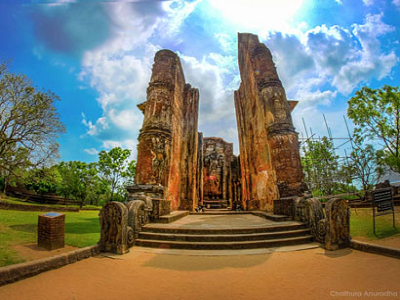
PolonnaruwaThe Medieval Kingdom
Things to do in Bentota
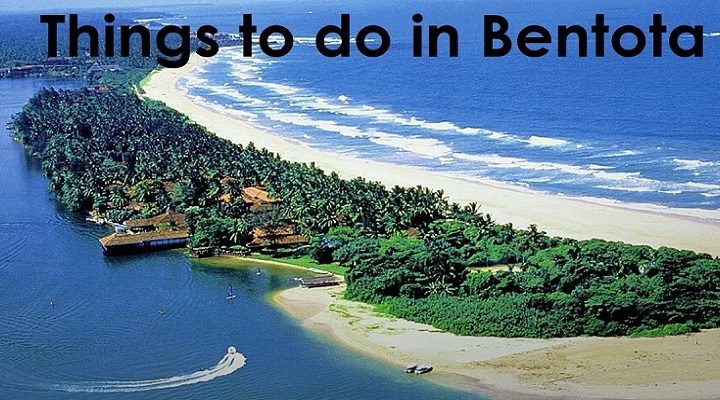
Things to do in Bentota Bentota, a coastal paradise nestled on the southwestern coast of Sri Lanka. With its pristine beaches, lush greenery, and a myriad of activities, Bentota is the perfect destination for those seeking relaxation, adventure, and cultural enrichment. 1. Brief History and Geography Bentota, located on Sri Lanka’s southwest coast, boasts a rich history as a hub for spice trading and a fishing village. Today, it’s a popular tourist destination known for its stunning beaches and water sports. Climate and Best Time to Visit Bentota has a tropical climate. The best time to visit is from November to April when the weather is dry, offering ideal conditions for outdoor activities. May to October brings the monsoon season but also lush, green landscapes. 2. Beaches of Bentota Bentota Beach Bentota Beach is a long stretch of golden sand that’s perfect for sunbathing, swimming, ect. It’s backed by palm trees, providing natural shade. Paradise Island Paradise Island, accessible by a short boat ride, is a serene and secluded paradise. It offers privacy and tranquility, making it an ideal spot for a romantic getaway. Induruwa Beach Induruwa Beach is less crowded, offering peace and seclusion. It’s great for those looking to escape the hustle and bustle of city life. 3. Water Sports Extravaganza Jet-Skiing Experience the thrill of jet-skiing on the pristine waters of Bentota. Rentals and guided tours are readily available for both beginners and experienced riders. Windsurfing Learn to catch the wind and ride the waves with windsurfing lessons and rentals. Bentota’s reliable winds make it a perfect spot for this activity. Parasailing Soar high above the Indian Ocean while being tethered to a boat. Parasailing provides breathtaking panoramic views of Bentota’s coastline. Snorkeling and Scuba Diving Explore the underwater world of Bentota with snorkeling and scuba diving. Discover colorful coral reefs, marine life, and shipwrecks. Banana Boat Rides A fun activity for groups, banana boat rides involve bouncing across the waves while trying to stay on the inflatable boat. Deep-Sea Fishing Take a fishing excursion and try your hand at catching the likes of tuna, sailfish, and snapper in the deep waters of the Indian Ocean. Water Skiing For those with a knack for balance and adventure, water skiing is a thrilling way to explore Bentota’s waters. Surfing Bentota’s waves are suitable for both beginners and advanced surfers. Surf schools and board rentals are available for novices. Kayaking Explore Bentota’s tranquil rivers and lagoons by kayaking. It’s a peaceful way to connect with nature. 4. Marine and Wildlife Encounters Kosgoda Turtle Hatchery Kosgoda Turtle Hatchery is a renowned conservation project dedicated to protecting endangered sea turtles. Visitors can learn about different turtle species and even participate in hatchling releases. Madu Ganga River Safari Embark on a scenic river safari along the Madu Ganga, where you can spot a variety of bird species and explore the unique mangrove ecosystems. Bentota Bird Sanctuary The Bentota Bird Sanctuary is a paradise for birdwatchers. It’s home to numerous bird species, including herons, kingfishers, and storks. Lunuganga Estate The Lunuganga Estate, designed by renowned architect Geoffrey Bawa, is a beautifully landscaped garden with meticulously designed landscapes and sculptures. Brief Gardens Another masterpiece by Bevis Bawa, Brief Gardens offers enchanting beauty through art and nature. Explore its unique sculptures and lush greenery. Stay tuned for the continuation of this comprehensive guide to Bentota’s tourism activities.
Ella, Sri Lanka
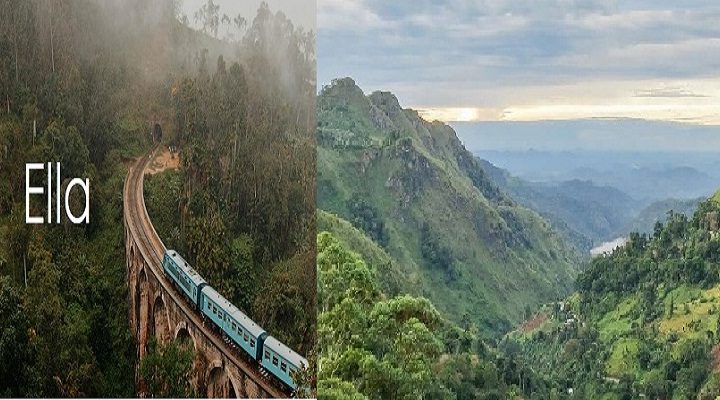
Ella is a picturesque small town nestled in the central highlands of Sri Lanka. It’s renowned for its stunning natural beauty, lush green landscapes, and a relaxed atmosphere that makes it a popular destination for travelers. Here’s a detailed guide to things to do and places to visit in Ella: Places to visit in Ella Ella Rock: Hiking to Ella Rock is one of the most popular activities in Ella. The trek takes you through tea plantations, dense forests, and offers breathtaking panoramic views of the surrounding valleys and hills. The hike typically takes around 2-3 hours, so make sure to start early to avoid the midday heat. Little Adam’s Peak: This is another relatively easy hike, suitable for all fitness levels. It offers fantastic views of Ella Gap, the lush green landscape, and tea plantations. The hike is shorter compared to Ella Rock, and you can complete it in about 30-45 minutes. Nine Arch Bridge: Located about 2 kilometers from Ella town, the Nine Arch Bridge is an engineering marvel surrounded by lush greenery. It’s best to visit in the morning when you can witness the daily train crossings. The bridge’s architecture and the natural beauty make it a must-visit spot for photography enthusiasts. Ravana Falls: This picturesque waterfall is one of the widest in Sri Lanka and is located just a short drive from Ella town. You can take a leisurely walk to the base of the falls and enjoy a refreshing swim. Be cautious during the rainy season as the currents can be strong. Ella Spice Garden: Discover the secrets of Sri Lankan spices by taking a tour of the Ella Spice Garden. You’ll learn about various spices and herbs used in Sri Lankan cuisine, their medicinal properties, and even have the opportunity to sample some dishes cooked with these spices. Demodara Loop: The Demodara Loop is another engineering marvel in the area. It’s a loop in the railway track where the train appears to pass over itself. Watching the train navigate this loop is a unique and fascinating experience. Ella Gap: Ella Gap is a natural gap in the hills that offers stunning views of the coastal plains. On a clear day, you can see all the way to the southern coast. It’s a great spot for a leisurely walk and taking in the scenery. Tea Factory Tours: Ella is surrounded by tea plantations, and you can take guided tours of some of them. The tours typically include a walk through the tea fields, a visit to the factory to see the tea-making process, and of course, a tea tasting session. Bambaragama Falls: This lesser-known waterfall is a hidden gem. It’s located a bit further from Ella town, so you may need to arrange transportation. The waterfall is less crowded, and the surrounding forest adds to the sense of tranquility. Ella Town: Stroll through Ella town and explore its quaint shops, cafes, and restaurants. It’s a great place to try some Sri Lankan cuisine, shop for souvenirs, or simply relax and enjoy the laid-back atmosphere. Camping at upper Diyaluma Falls: Camping in Upper Diyaluma is an extraordinary experience for nature enthusiasts and adventure seekers. Nestled in the heart of Sri Lanka’s pristine wilderness, this remote camping destination offers a unique opportunity to connect with nature. Surrounded by lush forests, the serene ambiance is punctuated by the soothing sounds of the Diyaluma Falls nearby, one of the island’s tallest waterfalls. Cycling: Rent a bicycle and explore the countryside surrounding Ella. The quiet roads and scenic landscapes make it an excellent place for cycling enthusiasts. Zip Lining: Soar Above the Canopy: Experience the thrill of soaring above the lush canopy on an exhilarating zip-lining adventure. It provides a unique perspective of Ella’s natural beauty that’s sure to leave you in awe. Flying Ravana Ella, with its natural beauty and relaxed vibe, is a perfect destination for nature lovers and those seeking a break from the hustle and bustle of city life. Whether you’re hiking, exploring waterfalls, or simply sipping tea in a tea plantation, Ella has something to offer every traveler. Ella’s Culinary Delights Sri Lankan cuisine is a fusion of flavors, and Ella boasts a variety of dining options that cater to every palate. * Ella’s Chill Restaurant: A Gastronomic Journey Ella’s Chill Restaurant is a popular spot for both traditional Sri Lankan dishes and international cuisine. Enjoy a meal in a relaxed atmosphere with stunning views that complement the delectable food. * Café Chill: Fresh Coffee and More Café Chill is renowned for its fresh coffee, homemade cakes, and hearty breakfast options. It’s the perfect spot to kick-start your day while taking in the tranquil ambiance. Cafe Chill Accommodations in Ella Ella offers a range of accommodation options to suit various budgets and preferences, ensuring a comfortable stay for all travelers. * Luxury Resorts: Indulgence Amidst Nature Elevate your stay with a luxurious experience at resorts like 98 Acres Resort, Mountain Heaven and Hide Ella. These establishments offer panoramic views, spa facilities, and world-class amenities. * Boutique Hotels: Intimate Retreats For a more intimate and personalized experience, consider staying at one of Ella’s charming boutique guesthouses, such as Ella Flower Garden Resort. * Budget-Friendly Hostels: Affordable Comfort Travelers on a budget can find comfortable hostels which provide a sociable atmosphere and affordability. Best Time to Visit Ella Choosing the right time to visit Ella can significantly impact your experience. The best time to explore this paradise is during the dry season, which typically runs from December to April. During this period, the weather is pleasant, and the skies are clear, making it ideal for outdoor activities and sightseeing. Getting to Ella Ella is conveniently accessible from major cities like Nuwaraeliya and Kandy. The most scenic route to reach Ella is by taking a train journey from Kandy. This train ride offers breathtaking views of the Sri Lankan countryside and is an adventure in itself. Ella, Sri Lanka, is a destination that encapsulates the essence of natural beauty, cultural richness, adventurous spirit, and delectable cuisine. Whether you’re a nature
Tourism in Sri Lanka is on a high growth trajectory…
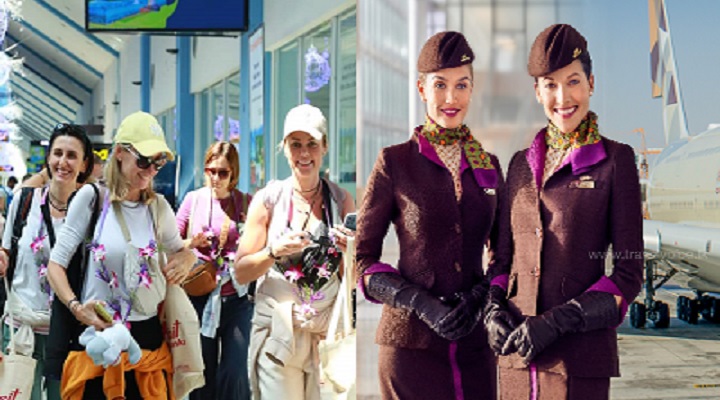
Tourism in Sri Lanka is on a high growth trajectory… Tourism is booming in Sri Lanka, thanks to its rising popularity as a must-visit destination. To make it even more appealing, tourists from China, India, Indonesia, Russia, Thailand, Malaysia, and Japan can travel to Sri Lanka without a visa. Instead, they need to apply for an Electronic Travel Authorization (ETA) before arriving, which is free of charge. This scheme is valid until March 2024, allowing a 30-day visa with double entry. In January 2024 alone, Sri Lanka welcomed a record-breaking 208,253 visitors, marking a 103.1% increase—the highest in four years. The first four days of February saw 28,493 arrivals, averaging 7,000 travelers a day, with tourists from Russia, India, the UK, Germany, and China leading the pack. The tourism sector is predicted to receive around 2 million visitors in 2024, generating an estimated revenue of USD 6 billion. Offering visa-free travel encourages digital payment options, aligning with the preferences of today’s tech-savvy travelers. The Visa Global Travel Intentions Study supports the idea that modern travelers seek experiential travel beyond tourist hot spots, emphasizing the importance of convenient and secure payment access. To enhance tourism, Sri Lanka must develop its payment infrastructure, ensuring various options like cards, contactless payments, QR codes, and online transactions are widely available. While Sri Lanka has made progress in digital payments, there’s still work to be done, especially in areas outside the Western Province, where digital literacy remains a challenge. The government aims to attract 5 million tourists by 2029, anticipating USD 21.6 billion in revenue by 2030. This ambitious goal relies on increasing tourism spending to USD 4,000 per visitor, attracting high-spending tourists. Cashless payments provide safety and convenience for tourists, allowing them to pay in the local currency and access discounts on various services. The combination of great experiences, natural beauty, and digital convenience positions Sri Lanka as an attractive and enriching holiday destination. Click HERE to Start Planning Your Holiday in Sri Lanka…
Pidurangala
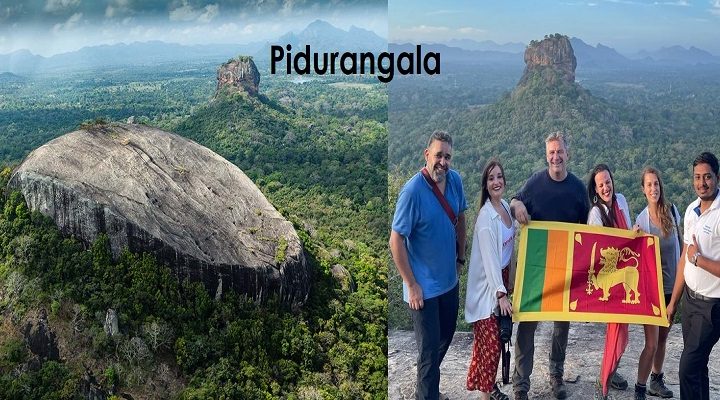
Pidurangala Sri Lanka’s Hidden Gem of Spirituality and Nature 1.1. Pidurangala: The Unsung Hero In the heart of Sri Lanka, nestled in the Cultural Triangle, lies a hidden treasure known as Pidurangala Rock. Overshadowed by the fame of its neighbor, the Sigiriya Rock Fortress, Pidurangala holds its own unique charm and historical significance that beckons the adventurous traveler. This article explores the lesser-known gem of Pidurangala, delving into its spiritual heritage and natural beauty that make it a remarkable destination. 1.2. The Natural and Spiritual Elegance Pidurangala, a colossal granite rock formation standing proudly at nearly 400 meters above sea level, offers an experience that beautifully combines spirituality and nature. With its ancient caves, panoramic vistas, and biodiversity, Pidurangala is a multifaceted site worth exploring. This journey will take you through the rich history, the challenging ascent, the rewards at the summit, and the remarkable ecological diversity that abounds in this region. 2. Historical Significance 2.1. The Ancient Connection To understand the historical significance of Pidurangala, we must turn the clock back over two millennia when Sri Lanka was known as Ceylon. During this era, Buddhism began to flourish on the island, and Pidurangala played a pivotal role in this spiritual evolution. The caves and rock shelters of Pidurangala served as monastic retreats for Buddhist monks. In these serene abodes, monks pursued enlightenment through meditation and religious contemplation. The walls of these caves are adorned with intricately detailed frescoes and inscriptions, providing glimpses into the lives of the monks and their religious practices. 2.2. Pidurangala and the Sigiriya Rock Fortress The story of Pidurangala is closely intertwined with that of the renowned Sigiriya Rock Fortress. In the 5th century, King Kashyapa, an ambitious and enigmatic ruler, chose Sigiriya for its strategic location and natural beauty to establish his kingdom. As part of his grand vision, King Kashyapa displaced the monks living in the caves of Pidurangala, setting in motion a power shift that resulted in the creation of the iconic Sigiriya Rock Fortress. This pivotal moment in history forever transformed the landscape and the trajectory of the region. 3. The Ascent 3.1. Preparing for the Journey A trip to Pidurangala involves careful preparation. Visitors are advised to wear comfortable clothing and sturdy footwear suitable for a challenging ascent. It’s best to undertake the climb early in the morning or late in the afternoon to escape the heat of midday. Before setting out, make sure to secure the necessary tickets and permits. Although Pidurangala is not as crowded as Sigiriya, it’s essential to abide by the rules and regulations set by the authorities to ensure a respectful and enjoyable experience. 3.2. The Pidurangala Village The journey to Pidurangala often commences from the charming Pidurangala Village, providing an opportunity to experience the local way of life. Many visitors choose to interact with the warm-hearted villagers, savor traditional Sri Lankan cuisine, and purchase souvenirs to support the local economy. The path leading to the base of Pidurangala unfolds the natural beauty of the surroundings, enveloping visitors in the sights, sounds, and fragrances of the Sri Lankan countryside. As you start your ascent, you’ll feel a sense of enchantment even before you reach the rock itself. 3.3. Navigating the Trail The ascent of Pidurangala is both thrilling and demanding. The journey begins with a steep and uneven stone stairway, which leads to a plateau where the real adventure kicks in. The trail onwards requires navigating over substantial boulders and squeezing through narrow crevices. While the climb may be strenuous, it rewards visitors with an intimate connection to the rock’s ancient history and the beauty of the surrounding landscape. Along the way, you may encounter fellow adventurers and knowledgeable guides who can provide valuable insights into the site’s history and significance. 4. Reaching the Summit 4.1. Breathtaking Views Reaching the summit of Pidurangala is a reward in itself. The vista that unfolds before you is simply breathtaking. As you stand atop this ancient rock, you are treated to panoramic views of the lush Sri Lankan countryside. The Sigiriya Rock Fortress looms majestically to the south, while the horizon is painted with serene landscapes and distant mountains. The summit is an ideal place to appreciate the beauty of Sri Lanka, capture stunning photographs, or simply meditate on the profound spiritual energy that pervades the area. The sense of accomplishment that comes from conquering this natural wonder is immeasurable. 4.2. Exploring the Meditation Caves The summit of Pidurangala is not just a vantage point for views; it’s also home to a series of caves that hold historical and spiritual significance. These caves have been used for centuries as meditation retreats by monks and pilgrims. Inside these caves, you can still find remnants of the past, including ancient inscriptions, faded frescoes, and a sense of profound tranquility. These caves offer a unique opportunity to connect with the spiritual heritage of Pidurangala and understand the deep, contemplative practices that have taken place here over the ages. 5. Biodiversity at Pidurangala 5.1. Flora and Fauna Pidurangala is not just a site of historical and spiritual importance; it’s also a sanctuary for diverse flora and fauna. The rock and its surroundings host a unique ecosystem that adds to the site’s natural beauty. The vegetation at Pidurangala includes dry-zone tropical forests with an assortment of endemic and native plant species. It’s a vibrant landscape, especially during the rainy season when the foliage comes to life. The rock itself serves as a host to many plant species adapted to arid conditions. 5.2. Birdwatcher’s Paradise For bird enthusiasts, Pidurangala is a paradise. The varied landscape and abundant plant life attract numerous bird species. Birdwatchers can spot a range of birds, including the endemic Sri Lanka Grey Hornbill, Brahminy Kite, and White-bellied Sea Eagle. Whether you’re an avid birder or simply someone who enjoys the melodies of nature, Pidurangala offers a delightful experience for all. 6. Cultural Significance 6.1. Buddhism at Pidurangala The spiritual legacy of Pidurangala is deeply entwined with Buddhism. This site has a history
Sri Lanka launches UPI

Sri Lanka has introduced the Unique Payment Interface (UPI), a digital payment method widely used in India, to facilitate transactions for the increasing number of Indian tourists visiting the country and to promote formal banking, officials have announced. The launch ceremony was attended by Indian Prime Minister Narendra Modi, Sri Lankan President Ranil Wickremesinghe, and Mauritius Prime Minister Pravind Jugnauth. The system allows Indians to make cashless payments in Colombo and Port Louis through UPI, using a smartphone to scan the Lanka QR code of any vendor. Officials have identified 65,000 popular locations frequented by Indian tourists, with plans to enable 10,000 of these locations to accept UPI payments within the next three weeks. The remaining spots will be equipped with the system by March 31, 2024. In 2023, Indian tourists made up a significant portion of the total foreign visitors to Sri Lanka, accounting for over 300,000 out of 1,487,303 arrivals. The UPI transactions will be capped at 200,000 Sri Lankan rupees per transaction. LankaPay, a key player in digitalizing Sri Lanka’s banking and financial services sector, expressed optimism about the adoption of QR payments. The chairman noted that while QR systems are not yet widespread in Sri Lanka, partnerships with international entities, such as UPI, are expected to drive usage and popularity among merchants. The UPI system allows Indian tourists to make payments using their smartphones, scanning the Lanka QR code, promoting a shift from informal income measures to formal income for merchants. However, at present, Sri Lankans visiting India cannot use the same facility, with plans to extend the service to them in the future. During the launch, President Wickremesinghe highlighted the long-standing economic ties between Sri Lanka and India, expressing hope for continued connectivity and deepening relations. Indian Prime Minister Modi emphasized the role of UPI in uniting partners and spoke about the positive impact of technology on transparency, corruption reduction, and inclusivity in society. Modi expressed confidence that UPI’s connection would benefit Sri Lanka and Mauritius, fostering digital transformation, positive economic changes, and promoting tourism. He anticipated that Indian tourists would prioritize destinations with UPI acceptance, and people of Indian origin in Sri Lanka and Mauritius, as well as students, would enjoy special benefits. In collaboration with the Reserve Bank of India and the Central Bank of Sri Lanka, NPCI International Payments Limited of India and LankaPay have worked together to enable UPI acceptance through LankaQR. This collaboration is expected to streamline digital payments for Indian tourists in Sri Lanka. Click HERE to plan your tour in Sri Lanka…
Esala Perahera in Kandy
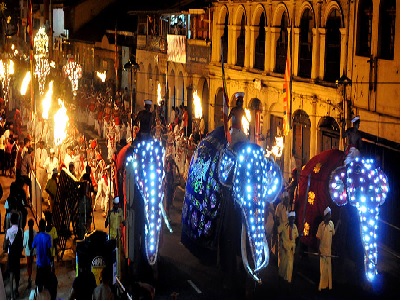
Esala Perahera in Kandy Esala Perahera, one of Sri Lanka’s most vibrant and grandest festivals, is held annually in Kandy. In 2024, the Esala Perahera will take place from July 21 to July 30, promising a captivating display of cultural splendor and spiritual reverence. Historical Background The origins of Esala Perahera trace back to ancient times, intertwining with the legend of the Sacred Tooth Relic of the Buddha. According to tradition, the tooth relic was brought to Sri Lanka in the 4th century CE by Princess Hemamali and Prince Dantha. The relic, believed to possess miraculous powers, became a symbol of sovereignty and was enshrined in various locations before finally being housed in the Temple of the Tooth (Sri Dalada Maligawa) in Kandy. The festival’s roots are linked to the Esala Full Moon Poya Day, marking significant events in the Buddhist calendar, including the Buddha’s conception, renunciation, and first sermon. Over centuries, the Esala Perahera evolved into a grand procession, blending religious ceremonies with elements of Sri Lankan culture and artistry. Structure of the Perahera Esala Perahera is a ten-day festival, with each day featuring a series of processions that increase in grandeur and splendor. The event consists of five main processions, each representing a different devalaya (temple) dedicated to various deities: Kataragama Devalaya Perahera: Dedicated to the god Kataragama, this procession marks the beginning of the Esala Perahera festivities. It includes traditional dancers, drummers, and elephants adorned with colorful attire. Natha Devalaya Perahera: The Natha Devalaya procession follows, featuring dancers, acrobats, and other performers. The Natha Devalaya is associated with the deity Natha, considered a guardian of Buddhism. Vishnu Devalaya Perahera: The Vishnu Devalaya procession is dedicated to the god Vishnu, a protector of the island. This procession includes vibrant dancers, musicians, and elephants in elaborate costumes. Pattini Devalaya Perahera: Dedicated to the goddess Pattini, the Pattini Devalaya procession is known for its grace and elegance. It features traditional dancers and performers celebrating the goddess’s blessings. Randoli Perahera: The final and most magnificent procession, the Randoli Perahera, showcases the Sacred Tooth Relic. The relic is carried in a golden casket atop a beautifully adorned elephant. This grand finale procession is a breathtaking spectacle, with dancers, drummers, and elephants filling the streets of Kandy. Key Highlights and Rituals The Kap Situveema (Planting of the Sacred Tree) The festival begins with the Kap Situveema ceremony, where a young jackfruit tree is ceremonially planted in each of the four devalayas. This ritual symbolizes the commencement of the Esala Perahera and invokes blessings for a successful event. The tree planting is accompanied by traditional chants and offerings. The Perahera Procession Each night’s procession starts at the Temple of the Tooth and winds through the streets of Kandy. The Sacred Tooth Relic, enshrined in a golden casket, is carried by a majestic tusker elephant, followed by a retinue of elephants, drummers, dancers, whip crackers, torchbearers, and traditional performers. The rhythmic beats of traditional drums, the vibrant costumes of the dancers, and the intricate designs of the elephants’ attire create a mesmerizing atmosphere. The Diya Kepeema (Water Cutting Ceremony) The final ritual of the Esala Perahera is the Diya Kepeema, or Water Cutting Ceremony, held at the Mahaweli River. A priest representing the four devalayas performs the ritual by cutting the water with a sword, symbolizing the purification of the relic and the community. This ceremony concludes the festival, ensuring prosperity and protection for the island. Cultural Significance Esala Perahera is not just a religious event but also a cultural showcase that reflects Sri Lanka’s artistic heritage. The traditional dances, music, and costumes displayed during the processions highlight the island’s rich cultural diversity. The festival also fosters a sense of unity and community, as people from various regions and backgrounds come together to celebrate and pay homage to the Sacred Tooth Relic. Modern-day Esala Perahera In contemporary times, Esala Perahera has become a major tourist attraction, drawing visitors from around the world. The festival’s organizers ensure that the traditional rituals and customs are preserved while also incorporating modern elements to enhance the spectacle. Efforts are made to provide a safe and enjoyable experience for both participants and spectators. The Kandy Esala Perahera Committee, along with local authorities, oversees the event’s organization, ensuring that the festival runs smoothly. Security measures are implemented to manage the large crowds, and facilities are provided for the convenience of visitors. Preparations and Participation Preparation for the Esala Perahera begins months in advance, involving meticulous planning and coordination. Artisans, craftsmen, and performers work diligently to create the elaborate costumes, decorations, and props used in the processions. The elephants, an integral part of the festival, are also given special care and attention. Participation in the Esala Perahera is considered a great honor. Dancers, drummers, and other performers undergo rigorous training to perfect their skills and contribute to the grandeur of the event. Local communities and devotees also play a crucial role, offering their support and services to ensure the festival’s success. Impact on Kandy and Sri Lanka The Esala Perahera has a significant impact on the city of Kandy and the broader Sri Lankan society. Economically, the festival boosts tourism, generating revenue for local businesses and providing employment opportunities. Culturally, it reinforces the importance of preserving traditional arts and customs. Socially, the Esala Perahera promotes unity and harmony among diverse communities. The festival’s inclusive nature encourages people from different religious and ethnic backgrounds to come together in celebration. It also serves as a platform for educating younger generations about Sri Lanka’s rich cultural heritage and the significance of the Sacred Tooth Relic. Challenges and Preservation Efforts Despite its grandeur, the Esala Perahera faces several challenges. The preservation of traditional customs and practices in the face of modernization is a key concern. Efforts are being made to strike a balance between maintaining authenticity and adapting to contemporary needs. Environmental and ethical considerations regarding the treatment of elephants used in the processions have also garnered attention. Animal welfare organizations advocate for humane practices